



NEWS & INSIGHTS
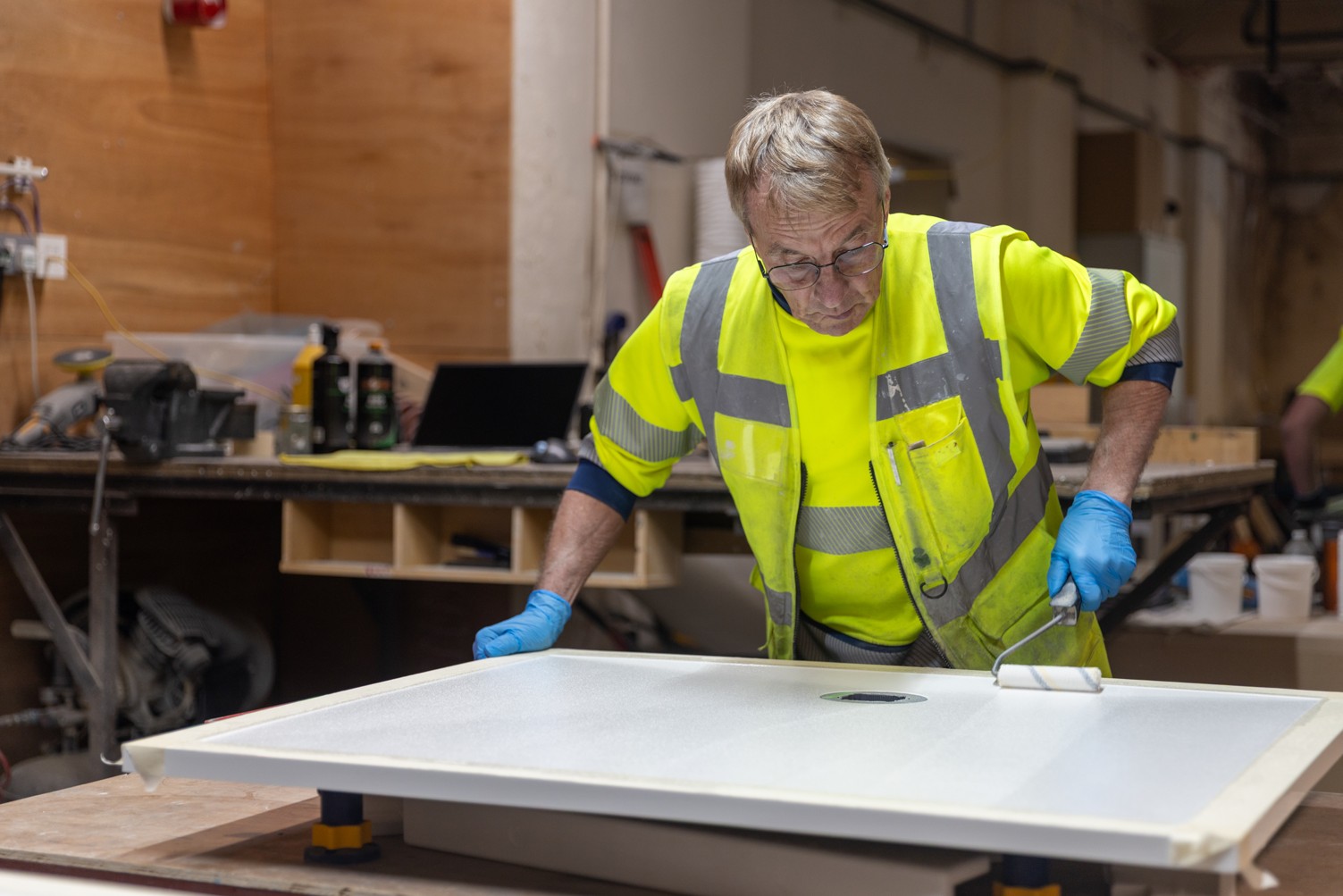
Earlier this month I spent a few days in the Netherlands and Germany looking at new materials for shower trays. What I saw was promising: lighter than what we use today but no weaker, styrene-free, and quicker to cure using less energy. On paper it improves the product, the working environment in the factory and our carbon footprint in a single move.
There is a catch, and it is the reason I’m writing this article. Materials like that require investment, and investment requires a return. That return must come from the price of the finished product - which means it depends entirely on whether the market is willing to pay for a better one.
Global supply chains are still under pressure, and I don’t expect that to change this year. Freight costs move without much warning, geopolitical disruption keeps rerouting ships, and UK energy prices remain a problem every manufacturer in this country is either absorbing or passing on.
At the same time, our customers - independent bathroom distributors, national retailers, merchants taking Trojan-branded product and our OEM partners - are being asked to hold availability, hit installation dates and protect margin, all at once. Those pressures don’t sit neatly alongside an eight-week ocean crossing.
I’m not going to pretend a British-made bathroom product is always the cheapest line on a quotation. It usually isn’t. What I will argue is that the cheapest line on the quotation is rarely the cheapest one by the time it has been delivered, fitted and lived with for 25 years - and that in 2026 the gap between those two numbers is getting wider, not narrower.
Reliability starts with a shorter supply chain
Our standard lead time is three to four weeks, and we run at 98% attainment to plan. Those two figures are the whole argument in miniature. A container ordered from the Far East is a decision you take a season in advance, on a forecast, with no ability to change your mind once it’s on the water.
There are limits to this. We still buy some raw materials from Europe and further afield - no acrylic bath or shower tray manufacturer in this country can claim otherwise, and anyone who does is being loose with the truth. Research has found that shorter supplier chains also improve communication. What manufacturing in Huddersfield changes is how much of the chain sits within a day’s drive, how quickly a problem gets solved, and who picks up the phone when it does. Many of our British suppliers have worked with us for decades. That matters most in the weeks when something goes wrong.
The real cost of a cheaper bath
Procurement teams are measured on unit cost, so unit cost is what gets compared. It’s an incomplete picture, and here is what it leaves out.
Cash tied up in stock. Importing means buying in container quantities. You take 300 baths because that’s what fills the box, when the demand in front of you is 40. That cash sits in a warehouse for months. Ordering to demand on a three-to-four-week lead time frees it up.
The cost of handling it twice. We deliver baths upright on four-way pallets in tens, because that is how our customers have asked us to supply them and how they can be moved safely with a pallet truck. Imported baths arrive stacked flat, often twenty to twenty-five high, because that is what makes the shipping economics work. Somebody then has to decant them onto four-way pallets before they can be handled properly. That is two people, working at height, lifting product down repeatedly - time that must be paid for, product that gets damaged on the way, and a manual handling risk that sits with the receiving business rather than the shipper. None of it appears on the invoice.
The cost of a missed date. A delayed delivery doesn’t cost you the price of the bath. It costs you a fitter standing idle, a customer who tells other customers, and the next job that goes elsewhere. That figure never appears on the quotation, but it is nearly always larger than the saving that caused it.
The cost of a claim. We guarantee our baths for 25 years. A guarantee is only as good as the company standing behind it, and there is a difference between a warranty issue resolved from Huddersfield and one raised with a factory 6,000 miles away through an agent.
Add those four together and the cheaper bath frequently isn’t.
One British source for the whole bathroom
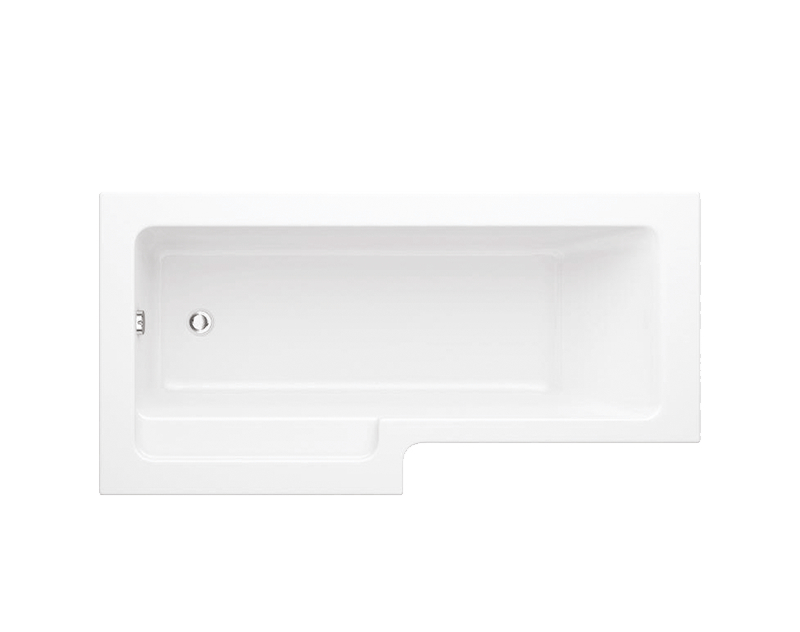
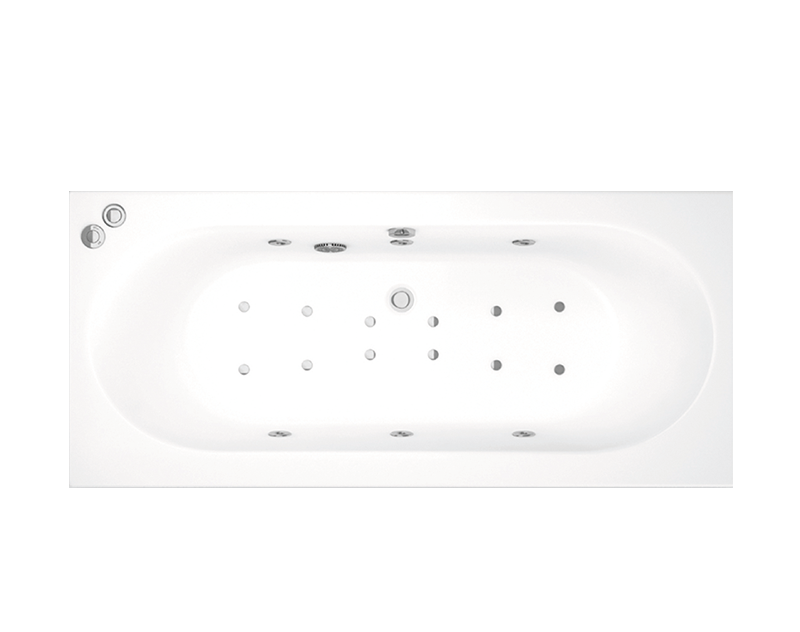
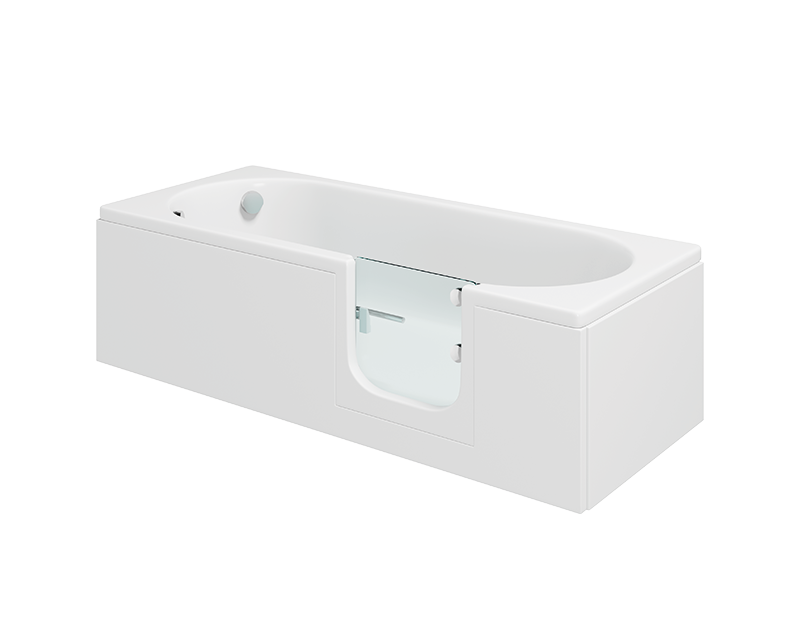
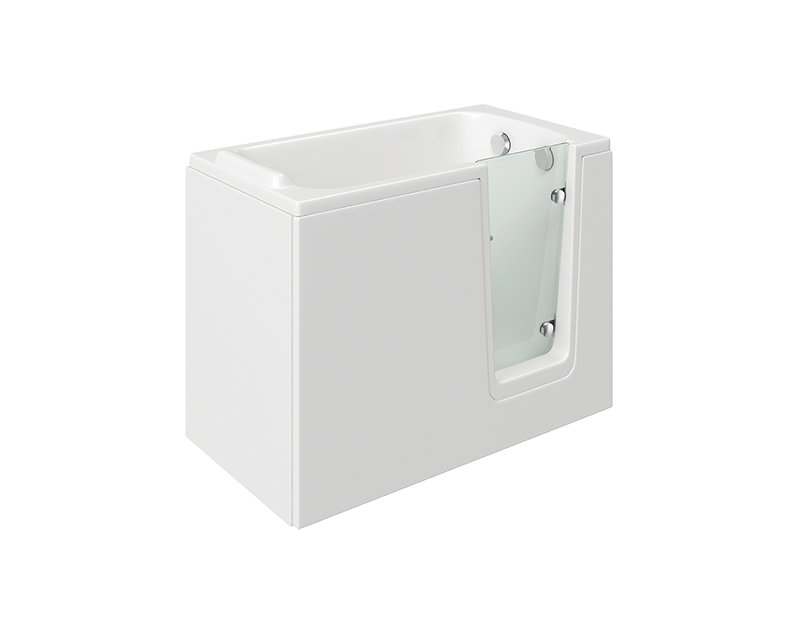
We make baths, bath panels, shower trays and wellness systems in Huddersfield. Our walk-in baths and accessible bathing range are made at our sister company Mantaleda Bathroom & Co. Ltd in Northallerton, acquired in 2020, and sold under our Bathe Easy brand.
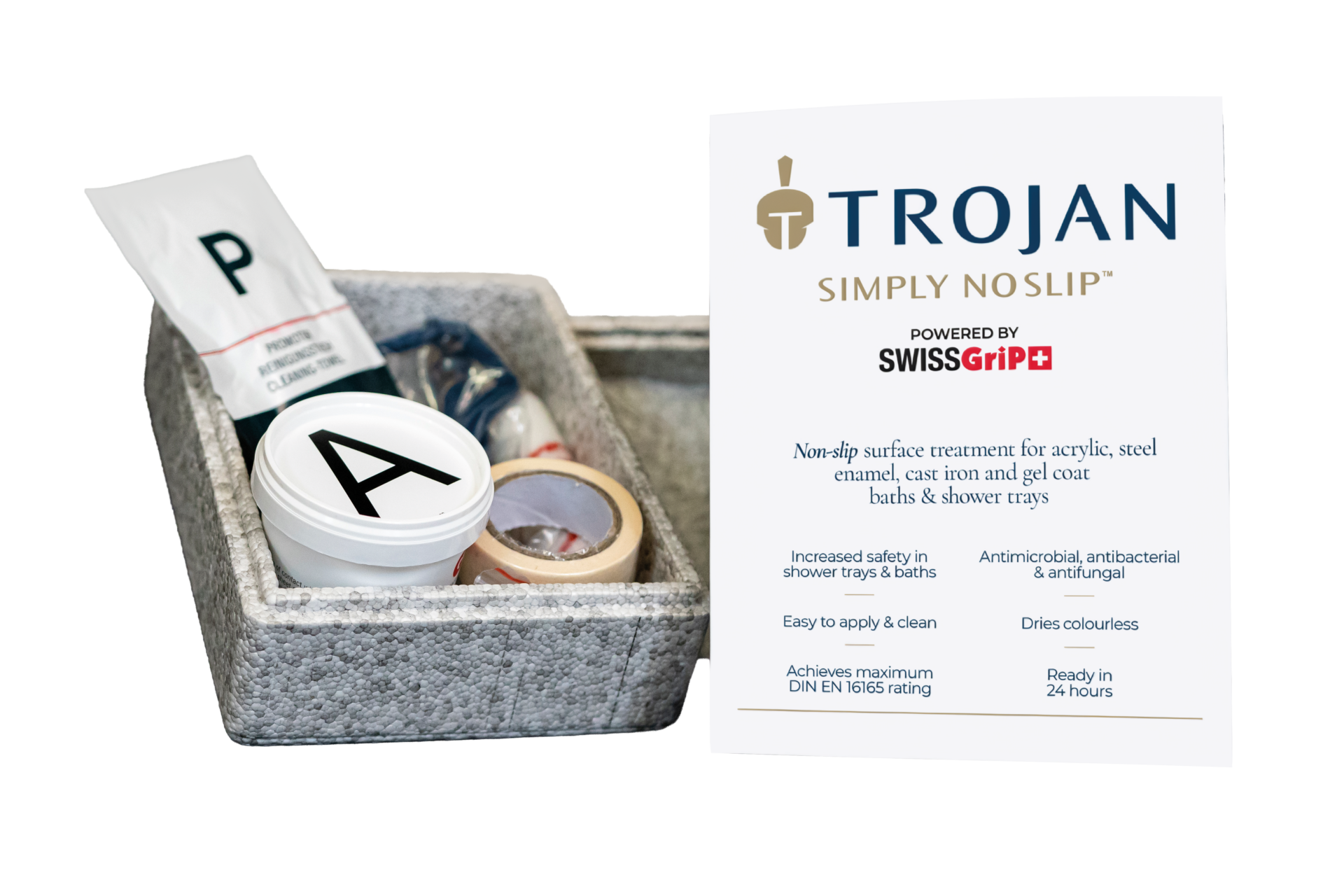
We have also recently rebranded our anti-slip range as Simply No Slip – Powered by SWISSGRiP, backed by new marketing support including “how to” videos to help our customers sell and apply the solution with confidence.
For a distributor that means one supplier, one account, one delivery and one number to ring across the whole category, instead of stitching together four import programmes and hoping they land in the same month. Research from Made in Group reflects this shift, highlighting that procurement is increasingly focused on security of supply rather than simply achieving the lowest purchase price.
It also means we can make specials. Bespoke sizes and non-standard specifications are a normal part of our week - they are simply not available from a container programme fixed six months ago.
Consistent quality, and the flexibility to say yes
Manufacturing here gives us control over the process rather than a specification sheet and a hope. That control is why we can put numbers and standards behind what we sell. And many UK manufacturers are following suite, with 87% saying the digital transformation of their production processes is essential in improving efficiency and consistency as a supplier.
Our acrylic is produced to EN 263. Our baths are tested to EN 14516:2015 and certified to Class 1 - the higher of the two classifications in the standard. Class 1 requires the bath to withstand repeated hot and cold water cycling rather than testing at a single temperature, which is a materially harder test to pass and a better predictor of how a bath behaves over twenty-five years of daily use. Our shower trays are manufactured to EN 14527 and EN 251, and Simply No Slip is classified to DIN 16165 Class C.
All timber is sourced from FSC-registered suppliers, and Trojan holds FSC chain of custody registration NQA-COC-003576.
When a customer rings on a Tuesday needing something that isn’t in the catalogue, a UK factory can have a conversation about it. An importer can only tell you what’s in the warehouse. The flexibility point is underrated. When a customer rings on a Tuesday needing something that isn’t in the catalogue, a UK factory can have a conversation about it. An importer can only tell you what’s in the warehouse.
Sustainability that stands up to scrutiny
This is the section where most manufacturers reach for a stock photograph of a wind turbine, but at Trojan we can demonstrate our commitment to the environment.
Around 160 people work at our Huddersfield site, making product from UK-sourced raw materials wherever we can. Those wages are earned here and spent here - in local shops, on local trades, in local clubs. Compare that with a warehouse where a handful of people unload containers and redistribute imported product. Both businesses might report similar turnover. They do not have remotely similar effects on the economy this country actually lives in.
On carbon, the shipping argument is real, but it is not the strongest one we have. These are:
A 500kW solar array on our Huddersfield site, covering roughly 10% of the site’s annual electricity demand.
An on-site recycling facility that recycles around 200 tonnes of plastic each year. Most of which is through a patented process.
A new resin made from recycled plastic bottles, now close to sign-off, is forecast to reduce our carbon footprint.
We’ll set all of this out properly in a separate article shortly.
The tension every buyer is living with
There’s an honest problem in our industry that’s worth naming, and I don’t say this as a criticism of any individual buyer.
Sustainability now sits at the heart of most large groups’ published commitments. It appears in the annual report, on the website, in the tender documents. Yet the person placing the order is very often measured on one thing: unit cost. Those two positions can’t both be satisfied by the same decision, and it’s the buyer, not the board, who’s left holding the contradiction.
I don’t think that’s anyone’s fault so much as a gap between two departments that haven’t finished the conversation. But it’s worth flagging, because British manufacturing is one of the few sourcing decisions that genuinely serves both objectives at once - shorter transport, domestic employment, transparent supply, and a landed cost that stands up once the whole picture is counted rather than just the invoice.
If sustainability is in your group’s commitments, it’s a fair question to ask whether it’s in your buying criteria too.
Why British manufacturing is a priority in 2026
Choosing a British bath manufacturer is about more than a flag on the box. It’s about a three-to-four-week lead time you can plan around, 98% attainment to plan, a 25-year guarantee backed by people you can actually reach, and a supplier who can say yes when the job isn’t standard.
Trojan has manufactured in this country for more than 50 years. We’ve been through recessions, a pandemic, a container crisis and an energy shock, and we’re still making baths in Huddersfield. That’s the point of the whole argument: continuity is a commercial asset, and it’s not something you can buy in by the container. If you’re looking for a wholesale bath supplier based in the UK, get in touch with us to discover how we can support your business and help you experience more with Trojan.
Are you looking for a wholesale bath supplier based in the UK?
Get in touch with us to discover how we can support your business and help you experience more with Trojan.